VA Disability Ratings for Anxiety
An estimated 12% of percent U.S. military veterans experience generalized anxiety disorder (GAD). Rates are even higher (40%) for veterans diagnosed with post-traumatic stress disorder (PTSD). Both combat and non-combat experiences during military service can be traumatic enough to change the brain chemistry, resulting in lasting mental impairments like anxiety disorders, including panic disorder, agoraphobia, and obsessive-compulsive disorder.
But winning VA disability benefits for anxiety is challenging. The VA frequently rejects anxiety claims for eligible veterans.
There are several reasons the VA rejects anxiety claims. The most common reasons for rejection of VA anxiety claims are failure to prove an official anxiety disorder diagnosis and failure to prove that military service caused the anxiety disorder.
Winning claims for anxiety VA ratings require evidence of a VA-approved anxiety disorder diagnosis and the use of specific language to support anxiety service connection. Evidence of service connection may include documents reporting anxiety symptoms or treatment during service. Yet most veterans do not report anxiety symptoms or receive treatment for anxiety during service.
Without military records of anxiety symptoms or treatment, can veterans still win a VA rating for anxiety? Yes!
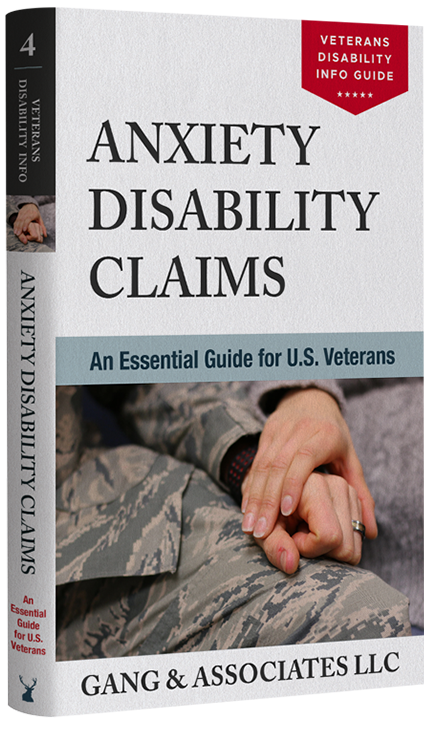
Our free eBook, VA Disability Ratings for Anxiety: An Essential Guide for U.S. Veterans, offers step-by-step guidance to help veterans gather evidence of anxiety service connection, prepare a successful VA claim for anxiety disorders, and appeal prior VA decisions denying a VA anxiety claim.